English
Sustainability is a broad discipline that encompasses various strategies and practices aimed at meeting the needs of the present without compromising the ability of future generations to meet their own needs. The concept integrates three core elements: environmental, economic, and social—often referred to as the three pillars of sustainability. Environmental sustainability involves managing natural resources judiciously to prevent degradation and maintain ecological balance. Economic sustainability ensures that communities can maintain economic stability and growth over time, while social sustainability focuses on maintaining fair and beneficial practices toward labor, the community, and the regions in which a corporation operates.
The concept of sustainability in its modern form was born during a time of growing concern about human impact on the environment, particularly highlighted in the late 20th century. The term became popularized after the publication of the Brundtland Report in 1987, formally titled “Our Common Future,” by the World Commission on Environment and Development (WCED), led by Gro Harlem Brundtland. The report defined sustainable development and called for economic growth that is environmentally accountable and socially inclusive. This was a response to increasing concerns over the destructive impact of industrialization on the planet and its ecosystems, igniting global discussions on how to address these pressing issues without halting economic progress.
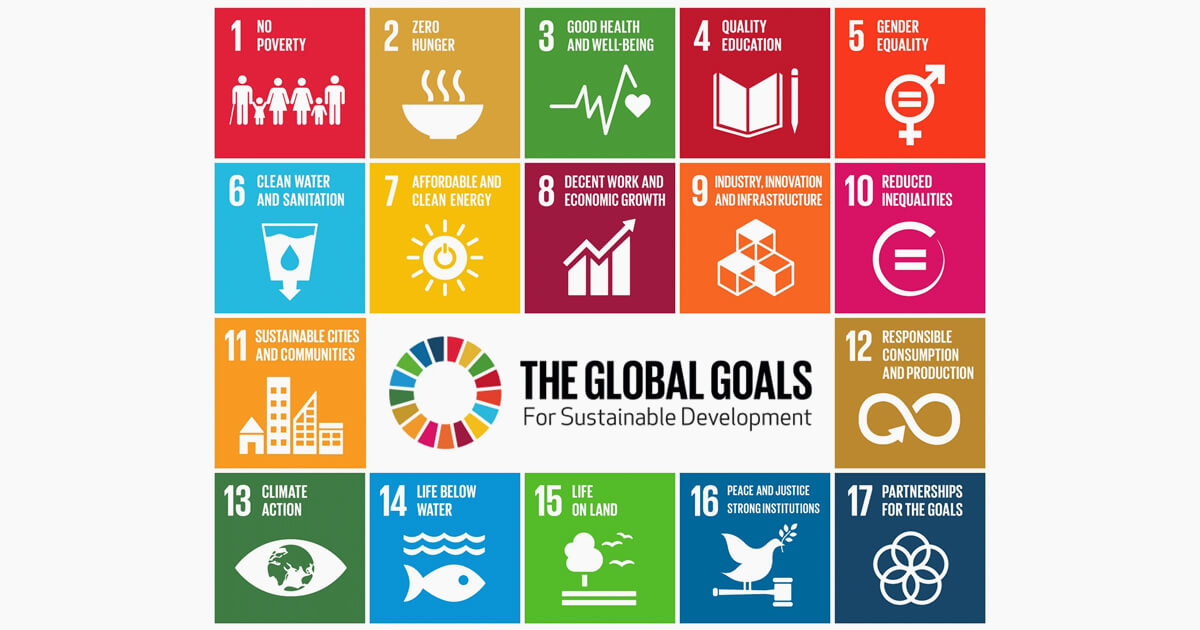
Aligning with this foundational philosophy, the United Nations introduced the 17 Sustainable Development Goals (SDGs) in 2015 as part of its 2030 Agenda for Sustainable Development. These goals provide a blueprint for peace and prosperity for people and the planet, now and into the future. Each goal addresses global challenges we face, including those related to poverty, inequality, climate change, environmental degradation, and justice. The SDGs are all interconnected, and the idea is that success in one area often involves tackling issues more commonly associated with another.
The alignment of sustainability with the SDGs is evident as each goal incorporates aspects of economic, social, and environmental sustainability. For example, SDG 13 (Climate Action) directly addresses environmental sustainability by calling for urgent actions to combat climate change and its impacts. Similarly, SDG 1 (No Poverty) and SDG 8 (Decent Work and Economic Growth) reflect the economic dimensions of sustainability, advocating for sustained, inclusive economic growth and efforts to eradicate poverty. Meanwhile, SDG 5 (Gender Equality) and SDG 10 (Reduced Inequalities) emphasize social sustainability by promoting equality and the empowerment of all individuals.

Understanding and implementing sustainability practices in line with the UN’s SDGs requires collaborative efforts from governments, businesses, civil societies, and individuals. The comprehensive approach outlined by the SDGs highlights the interconnectedness of sustainability’s three pillars and underscores the holistic effort required to achieve these goals. Through global partnership and cooperation, the principles of sustainability can lead to substantive improvements in our environmental integrity, economic prosperity, and social equity, paving the way for a balanced and sustainable future for all.
Within the broad framework of sustainability, various standards have been developed to address specific industry needs and challenges. These standards provide guidelines and benchmarks for businesses to measure and report on their sustainability performance. For instance, European Standards CSRD/, the Global Reporting Initiative (GRI) offers standards that are widely used by organizations to report on environmental, social, and corporate governance (ESG) issues. Similarly, the Sustainability Accounting Standards Board (SASB) provides industry-specific standards that help businesses disclose financially material sustainability information to investors. Other frameworks, such as ISO 14001, focus on environmental management systems and help organizations improve their environmental performance through more efficient use of resources and reduction of waste. Each of these standards caters to different aspects of sustainability and is designed to be applied across various business sectors, providing a structured approach to managing and communicating sustainability performance.
Adopting these sustainability standards can significantly benefit companies on their journey to managing ESG reporting more effectively. By integrating these standards into their business operations, companies can ensure comprehensive tracking and reporting of performance across all ESG aspects.
Our Team can help you on your journey to ESG reporting easily.